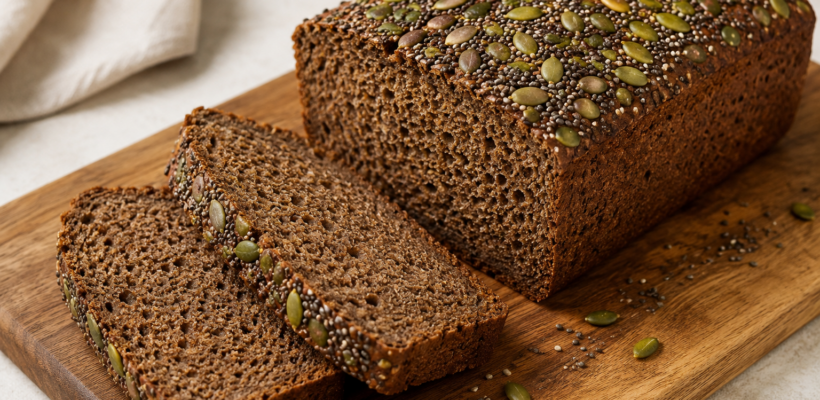
Easy No-Yeast Ragi Bread Recipe | High-Fiber, Gluten-Free & Protein-Rich Homemade Bread
If you’ve been looking for a wholesome homemade bread that doesn’t require yeast, kneading, or hours of proofing, this Easy No-Yeast Ragi Bread is the perfect recipe. Made with nutrient-dense ragi flour, oats flour, flaxseed powder, and psyllium husk, this bread is packed with fiber, plant-based protein, and essential minerals.
Unlike traditional bread recipes that require kneading, rising, and careful handling of yeast, this recipe comes together in just a few minutes. Simply mix the ingredients, transfer the batter to a loaf pan, and bake. The result is a hearty, rustic loaf that is soft on the inside, beautifully crusty on the outside, and incredibly satisfying.
Whether you’re looking for a healthier alternative to refined flour bread, trying to increase your fiber intake, or simply want an easy homemade bread recipe, this ragi bread deserves a place in your weekly meal prep.
Ragi Bread
Ingredients
- 3/4 cup Ragi Flour
- 1/2 cup Oats Powder
- 1/4 cup flaxseed powder
- 1/4 cup Psyllium husk
- 1.5 tsp baking powder
- 1 tsp baking soda
- 1/2 tsp salt
- 2 tbsp olive oil
- 2-1/4 cup warm water
- 1 tbsp vinegar
- 2 tbsp pupkin seeds
- 1 tbsp chia seeds
Instructions
- In a large mixing bowl, combine the ragi flour, oats flour, flaxseed powder, psyllium husk, baking powder, baking soda, and salt. Mix thoroughly to ensure all ingredients are evenly distributed.
- Add the olive oil and warm water to the dry ingredients. Stir well until everything is combined.
- Add the vinegar and mix again. The mixture will begin to thicken almost immediately as the psyllium husk absorbs water and forms a gel-like structure.
- Once the mixture becomes thick and evenly combined, transfer it to a greased or lined bread mold. Smooth the top using a spatula.
- Allow the loaf to rest on the kitchen counter for 10 minutes. This short resting period helps the psyllium husk hydrate fully and improves the final texture of the bread.
- Bake in a preheated oven at 180°C (356°F) for 70–80 minutes or until the loaf is firm and cooked through.
- Remove the bread from the oven and allow it to cool completely before slicing. This step is important because the bread continues to set as it cools.
No Kneading Required
One of the best things about this recipe is that it requires absolutely no kneading.
Traditional bread relies on gluten development, which is created through kneading. Since this bread contains naturally gluten-free ingredients and uses psyllium husk for structure, there is no need to spend time kneading or working the dough.
Simply mix, pour, rest, and bake.
This makes it an excellent recipe for beginners and anyone looking for a quick and convenient homemade bread option.
No Yeast, No Proofing, No Waiting
Many people avoid baking bread because yeast can feel intimidating. Proofing times vary depending on temperature, humidity, and yeast activity, making traditional bread-making seem complicated.
This ragi bread eliminates all of those concerns.
Instead of yeast, the recipe uses baking powder and baking soda activated by vinegar. This combination creates lift and lightness without requiring any fermentation or proofing time.
The result is a reliable loaf that works every time and can be prepared even on busy weekdays.
Why Ragi Is a Nutritional Powerhouse
Ragi, also known as finger millet, has been a staple grain in Indian households for generations. It is considered one of the most nutrient-dense grains available.
Rich in Calcium
Ragi is one of the best plant-based sources of calcium. Adequate calcium intake is essential for maintaining healthy bones and teeth and supporting muscle function.
Excellent Source of Fiber
The high fiber content in ragi promotes digestive health, supports gut function, and helps you stay fuller for longer periods.
Supports Blood Sugar Management
Compared to refined flour products, ragi is digested more slowly, which may help reduce rapid spikes in blood sugar levels when consumed as part of a balanced diet.
Naturally Gluten-Free
For individuals looking to reduce gluten intake or incorporate more diverse grains into their diet, ragi offers a nutritious alternative.
The Benefits of Oats Flour
Oats flour contributes a mild flavor and soft texture to the bread while boosting its nutritional profile.
Oats are known for their soluble fiber content, particularly beta-glucan, which has been associated with heart health and improved satiety.
They also provide complex carbohydrates that release energy gradually, making this bread a more sustained source of energy compared to refined flour bread.
Why Flaxseed Powder Is Included
Flaxseed powder does much more than enhance nutrition.
It contributes healthy fats, fiber, and plant-based protein while also helping improve texture and moisture retention.
Rich in Omega-3 Fatty Acids
Flaxseeds are among the richest plant-based sources of omega-3 fatty acids, which play an important role in overall wellness.
Improves Satiety
The combination of fiber and healthy fats helps keep hunger under control and promotes a feeling of fullness.
Supports Digestive Health
Regular consumption of flaxseed may contribute to improved digestive function due to its fiber content.
The Role of Psyllium Husk
Psyllium husk is the secret ingredient that gives this bread its structure.
In traditional bread, gluten provides elasticity and holds everything together. In this recipe, psyllium husk performs a similar role by absorbing water and creating a gel-like network.
This helps:
- Improve texture
- Prevent crumbling
- Increase fiber content
- Create better sliceability
- Enhance moisture retention
Without psyllium husk, gluten-free breads often become dry and crumbly.
Is This Bread High in Protein?
While this bread is not a high-protein bread in the same category as breads made with added protein powders or legumes, it does provide a good amount of plant-based protein from multiple ingredients.
The protein comes from:
- Ragi flour
- Oats flour
- Flaxseed powder
Because the protein sources are combined with substantial fiber, this bread can be more filling and satisfying than regular white bread.
For an even higher protein meal, pair slices with hummus, tofu spread, peanut butter, almond butter, or paneer.
Who Will Love This Bread?
This recipe is ideal for:
Busy Professionals
No kneading and no proofing means less time in the kitchen.
Parents
A wholesome bread option that can be used for breakfast, sandwiches, or snacks.
Fitness Enthusiasts
Provides complex carbohydrates and fiber that support sustained energy.
People Looking to Reduce Refined Flour
A nutritious alternative to conventional white bread.
Beginners
Even first-time bakers can achieve great results with this simple recipe.
Serving Suggestions
This versatile bread can be enjoyed in many ways.
Breakfast
Toast a slice and top with nut butter, avocado, or homemade jam.
Sandwiches
Use it as a nutritious base for vegetable sandwiches, paneer fillings, or hummus spreads.
Soup Companion
Serve alongside soups and stews for a hearty meal.
Healthy Snack
Toast lightly and enjoy with tea or coffee.
Storage Tips
Once completely cooled, store the bread in an airtight container.
- At room temperature: Up to 2 days
- In the refrigerator: Up to 5–6 days
- In the freezer: Up to 2 months
For best results, slice before freezing so individual portions can be thawed as needed.
Final Thoughts
This Easy No-Yeast Ragi Bread proves that homemade bread doesn’t have to be complicated. With no kneading, no yeast, and no lengthy proofing process, it’s a simple recipe that delivers both convenience and nutrition.
The combination of ragi flour, oats flour, flaxseed powder, and psyllium husk creates a loaf that is rich in fiber, naturally gluten-free, nourishing, and satisfying. Whether you’re trying to eat more whole foods, reduce refined flour intake, or simply enjoy baking healthier recipes at home, this bread is a wonderful addition to your kitchen.
Bake a loaf once, and you’ll be surprised at how easy and rewarding homemade healthy bread can be.